All Posts By

guerilla

Winding Vibration & Magnetic Wedges Detection

By Case Study

IDENTIFIED FAILURES

INDUSTRY

  • Petrochemical

ASSET

  • Compressor

PROBLEM

  • Internal Stator Winding Vibration

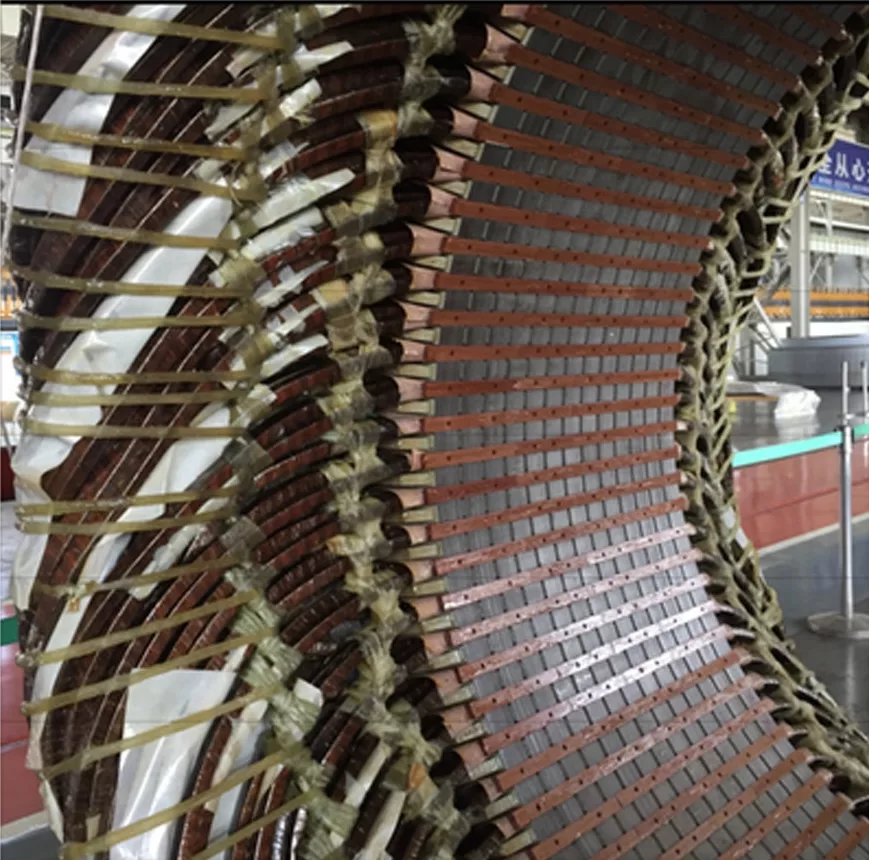
In a 24/7 critical compressor, Enging detected an abnormally high spectral component at 896 Hz, causing a high-frequency ripple in the motor phase currents.
By validating the motor's internal design with the client, it was confirmed that this frequency was linked to internal stator winding vibration — a fault that often goes unnoticed until severe damage occurs.

With early detection powered by Electric Signature Analysis (ESA), the issue was identified before it escalated, ensuring reliability and continuous operation.

Access the Complete Case Study

Complete the form to get the full case study PDF in your inbox

    * All fields are mandatory.


    Detection of Pinion Problems in a Fertilizer Production Mill

    By Case Study

    IDENTIFIED FAILURES

    INDUSTRY

    • Chemical/Fertilizer

    ASSET

    • Mill Motor Drive

    PROBLEM

    • Gear and Pinion Degradation

    AVOIDED

    • Unplanned Production Stoppage (48h)
    • Potential batch losses and quality deviations prevented

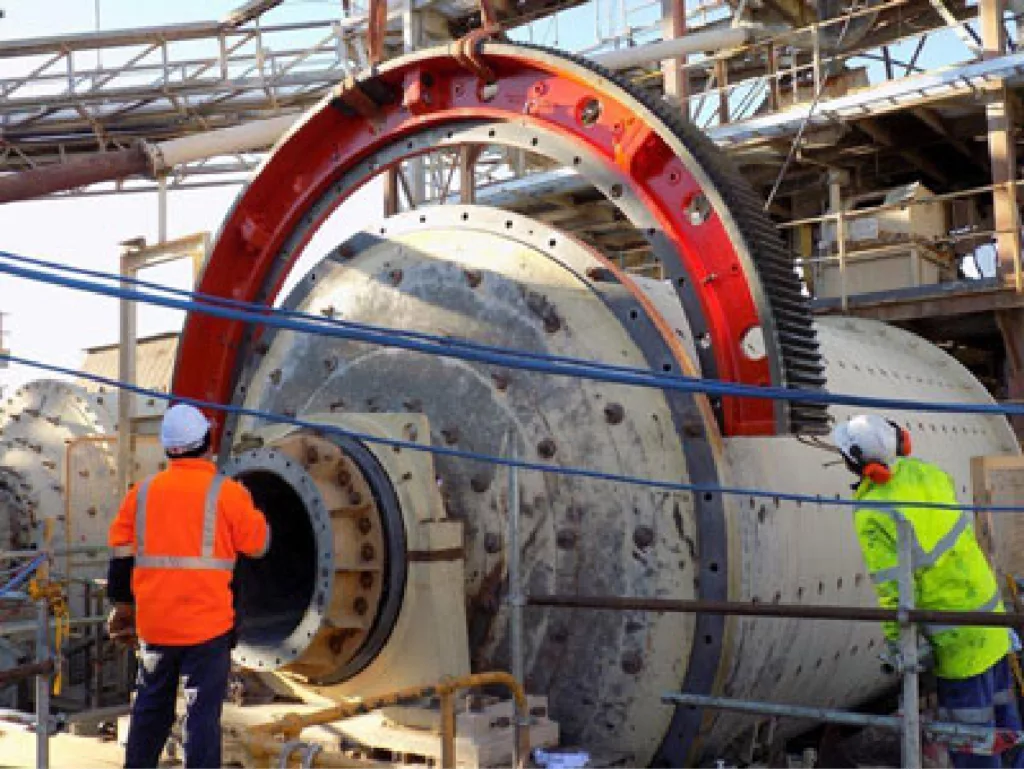
    IMPORTANCE OF THE MILL IN FERTILIZER PLANTS

    In fertilizer production, mills are a central component of the process chain. Their primary function is to reduce raw materials – such as phosphate rock, urea, ammonium sulfate, or compound blends – into fine, uniform particles that meet strict chemical and physical specifications. Particle size distribution directly affects reaction efficiency, granulation quality, nutrient availability, and the homogeneity of the final fertilizer product. Whether in grinding, pulverizing, or blending operations, the mill's performance influences product quality, energy consumption, and overall plant efficiency. Any irregularities in mill operation, such as uneven grinding or particle agglomeration, can lead to substandard product, process inefficiencies, and increased operational costs.

    IMPORTANCE OF THE GEAR SYSTEM IN MILL PERFORMANCE

    The gear system, including the girth gear, pinion, and supporting bearings, is critical for transferring motor torque to the mill shell in a controlled and precise manner. In fertilizer mills, which often operate under high torque and abrasive conditions, proper alignment, lubrication, and condition of the gear system are essential to maintain smooth rotation, reduce vibration, and prevent mechanical stress. The gear system's integrity directly affects the mill's operational stability, energy efficiency, and equipment lifespan. Inaccurate torque transmission or gear wear can propagate dynamic loads through the drive train, affecting bearings, couplings, and the mill foundation.

    CONSEQUENCES OF MILL GEAR FAILURE IN FERTILIZER PLANTS

    Failure of the mill gear system in fertilizer plants can have significant operational, financial, and safety consequences. Common failure modes include gear tooth wear, pitting, fatigue, or fracture, typically caused by misalignment, insufficient lubrication, overloading, or abrasive material handling. Such failures lead to abnormal vibration, noise, and potentially complete mill stoppage. Unplanned downtime directly impacts production schedules, leading to costly losses and potential delays in supplying critical fertilizer products. Moreover, failure propagation can damage bearings, motor couplings, and structural components, increasing repair complexity and safety risks. Continuous monitoring, early fault detection, and predictive maintenance are essential to ensure gear integrity, extend mill service life, and guarantee safe, efficient, and uninterrupted fertilizer production.

    Access the Complete Case Study

    Complete the form to get the full case study PDF in your inbox

      * All fields are mandatory.


      Early Detection of Faulty Contactors in Solar Inverters

      By Case Study

      IDENTIFIED FAILURES

      INDUSTRY

      • Renewable Energy

      ASSET

      • Inverter

      PROBLEM

      • Contactors

      AVOIDED

      • Unplanned Stoppage
      • Loss of production

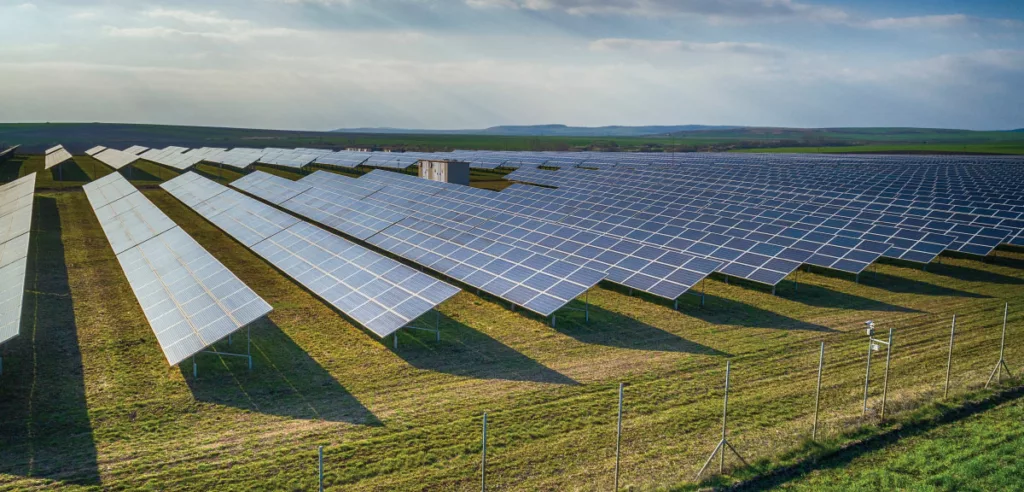
      THE ROLE OF PV plants IN ENERGY PRODUCTION

      Photovoltaic (PV) plants are at the forefront of the global transition to renewable energy, offering clean, scalable, and increasingly cost-effective electricity generation. With the deployment of large-scale solar farms, solar energy plays a vital role in diversifying the energy matrix and reducing greenhouse gas emissions. To ensure consistent energy output, the reliability of critical components such as inverters, transformers, and power electronics is fundamental.

      IMPORTANCE OF CONTACTORS

      Contactors are key components in managing harmonic filtering and reactive power compensation in PV inverters. Their proper functioning directly impacts inverter performance, safety, and energy quality. Failures in these contactors, especially when undetected, can trigger abnormal behavior in the transformer, operational noise, or complete shutdowns, undermining system reliability.

      CONSEQUENCES OF THE FAILURE OF THE CONTACTORS

      Failure of contactors in solar plants can lead to unexpected system shutdowns, interrupting power generation and causing extended periods of downtime. This not only results in immediate energy production losses but may also compromise the stability of connected components such as transformers or inverters. In critical scenarios, repeated failures can accelerate equipment degradation and pose safety risks. Moreover, if replacement parts are not readily available, recovery can be delayed significantly, highlighting the importance of preventive diagnostics, inventory planning, and condition based monitoring to ensure operational continuity and minimize revenue impact.

      Access the Complete Case Study

      Complete the form to get the full case study PDF in your inbox

        * All fields are mandatory.


        Cable Junction Anomaly in Wind Turbines

        By Case Study

        IDENTIFIED FAILURES

        INDUSTRY

        • Renewable Energy

        ASSET

        • Wind Turbine

        PROBLEM

        • Cable Joint damage

        AVOIDED

        • Unplanned Stoppage
        • Loss of production

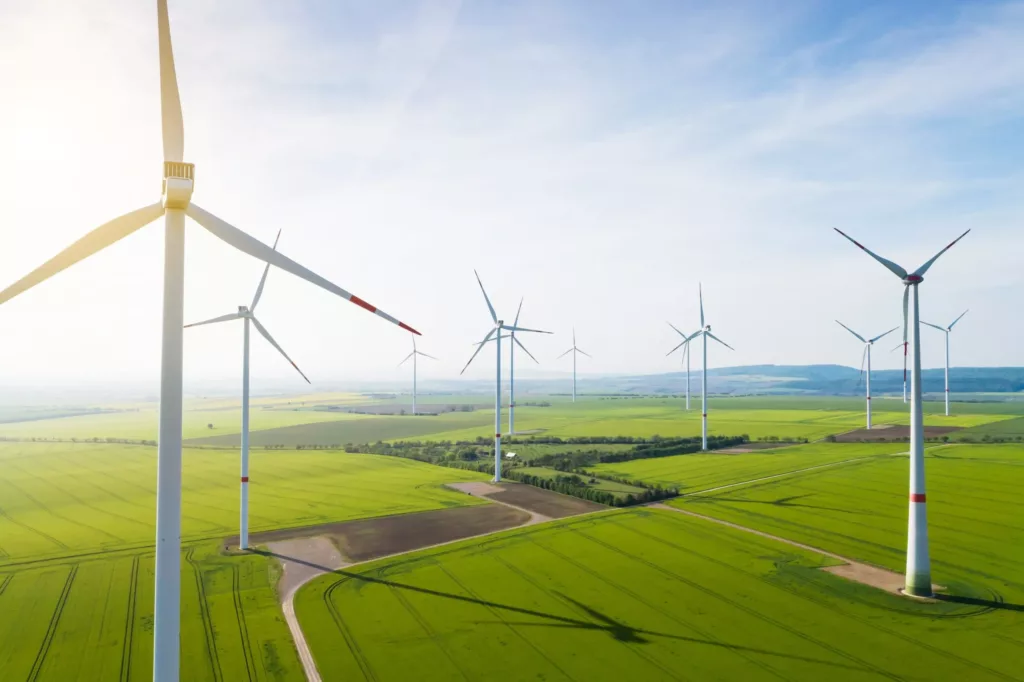
        THE ROLE OF WIND TURBINES IN ENERGY PRODUCTION

        Wind turbines are essential in the global transition to sustainable energy. By converting wind into electricity, they offer a clean, renewable alternative to fossil fuels with no direct carbon emissions. Advances in turbine technology have made wind power more efficient and affordable, helping decarbonize the energy sector. As countries aim to reduce fuel imports and diversify energy sources, wind energy strengthens energy security, supports economic stability, and promotes environmental sustainability.

        IMPORTANCE OF CABLES CONNECTING THE WIND TURBINE TO THE SUBSTATION

        Cables linking wind turbines to substations are crucial for transporting generated electricity to the grid. These components must endure environmental stress, mechanical loads, and voltage fluctuations. Their quality and condition affect energy efficiency, operational safety, and overall system reliability. Proper cable design, insulation and maintenance help to avoid faults and ensure long-term performance of wind energy systems.

        CONSEQUENCES OF CABLE FAILURES

        Cable failures can disrupt power transmission, causing energy losses and financial setbacks. These failures are especially costly due to the complexity of repairs and limited access. Persistent or unnoticed damage can lead to overheating, system faults and further component failures, reducing lifespan and safety. Extended downtimes may also affect grid reliability and investor trust, underscoring the importance of durable cables, continuous monitoring, and preventive maintenance.

        Access the Complete Case Study

        Complete the form to get the full case study PDF in your inbox

          * All fields are mandatory.


          Rubber Coupling and Sprocket Failures in Cement Mill Elevator

          By Case Study

          IDENTIFIED FAILURES

          INDUSTRY

          Cement

          ASSET

          Silos Feeding Elevator

          PROBLEM

          Damaged rubber coupling
          and worn sprockets

          AVOIDED

          Unplanned Stoppage

          Loss of production

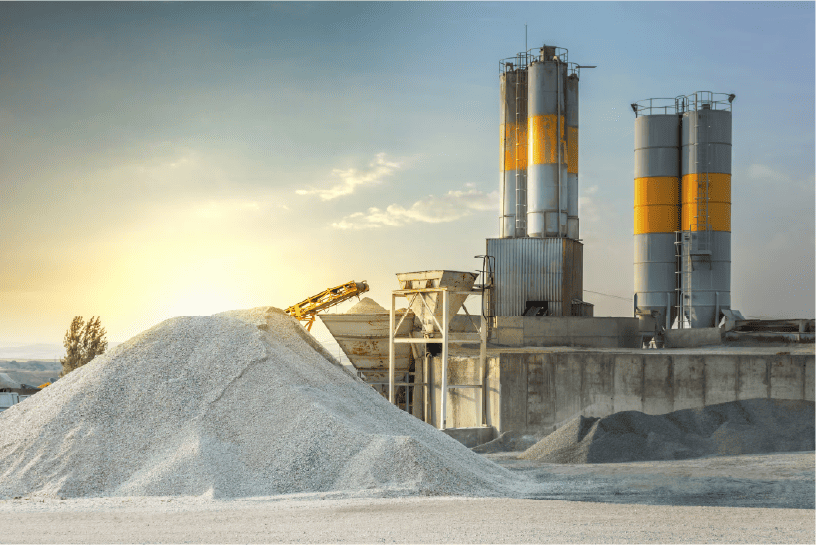
          IMPORTANCE OF THE SILOS FEEDING ELEVATOR IN CEMENT PRODUCTION

          The Silos Feeding Elevator plays a crucial role in the cement production process, particularly in the stage where raw materials such as clinker, gypsum, and additives are transported to the mill. It ensures´the consistent and efficient delivery of materials to the cement mill, which directly influences the overall production efficiency, material handling, and energy consumption.


          IDEAL FUNCTIONING OF THE SILOS FEEDING ELEVATOR

          Under optimal conditions, the Silos Feeding Elevator operates with uniform speed and precise material feeding, ensuring a continuous and smooth supply of materials to the cement mill. This helps in maintaining a steady grinding process and contributes to the consistent quality of the cement.
          The elevator system should have minimal mechanical stress, with effective lubrication, proper alignment, and condition monitoring to avoid irregular wear on the components. Regular maintenance and condition monitoring are essential to ensure uninterrupted operation and prevent material flow disruptions, which can impact the  efficiency of the entire cement production line.


          MECHANICAL TRANSMISSION FAILURES: DAMAGED RUBBER COUPLING AND WORN SPROCKETS

          The detection of a damaged rubber coupling and worn sprockets highlighted mechanical transmission vulnerabilities. The rubber coupling, which connects rotating shafts while damping vibrations and compensating for misalignments, had deteriorated, potentially due to misalignment, overload, or material fatigue, resulting in impaired torque transmission and increased mechanical stress.
          Simultaneously, the sprockets, essential for driving chain-based power transmission, showed signs of tooth wear and deformation. This condition can cause chain slippage, irregular motion, and excessive vibration. The combined degradation of these components compromises the efficiency, reliability and longevity of the cement mill’s drive system, underlining the necessity of timely inspection and replacement to prevent unplanned failures and ensure stable mill operation.

          Access the Complete Case Study

          Complete the form to get the full case study PDF in your inbox

            * All fields are mandatory.


            Kiln Crank Effect

            By Case Study

            IDENTIFIED FAILURES

            INDUSTRY

            Cement

            ASSET

            Kiln

            PROBLEM

            Crank Effect

            AVOIDED

            Unplanned Stoppage

            Kiln permanent deformation

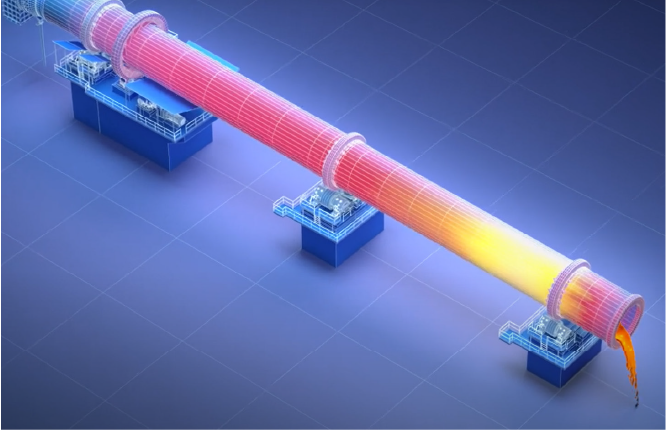
            The rotary kiln is essential in cement production, transforming raw materials into clinker through high-temperature processing. Ideally, it rotates smoothly to ensure uniform heat distribution, which is crucial for efficient chemical reactions and high-quality clinker production.
            A major issue affecting kiln operation is the kiln crank effect, caused by uneven thermal expansion. This leads to deformation, irregular rotation, and mechanical stress on critical components, increasing wear, power consumption, and potential structural damage. Proper maintenance and temperature control are key to preventing these issues.

            Access the Complete Case Study

            Complete the form to get the full case study PDF in your inbox

              * All fields are mandatory.


              CIGRE 2024 Paris

              By News

              The Biennial Session is held in Paris, France in even number years. It is the number one global power system event in the world, bringing together some 9000 power industry participants from over 100 countries, including 3600 international experts and other decision-makers. This is a unique weeklong interactive opportunity. Over 160 working meetings, over 30 Study Committee sessions and 800+ technical papers spanning the end-to-end power system.

              Once again we are be heading to CIGRE in the day 25 to 30 of August. You can visit us on the Stand Nr. 1P40.

              Do you want to know more about this? Meet Us there.


              #innovative #accurate #simple #non-invasive #predictive #maintenance #online #remote #monitoring #intelligencefortomorrow

              Data Engineer

              By Job Offer

              Company description

              Engineering company specialized in the development of innovative products for monitoring industrial equipment. Today, the company has large industrial players in the Iberian Peninsula as clients and intends to grow to become a world reference in offering technological solutions for an industry.

              Description of functions

              The company searches for a collaborator based in Engineering for its ML/AI department, with the personnel taste for data analysis and algorithms development. This person will work directly with R&D and Administration team in a business role with great growth potential.

              Main functions to develop:

              • Data analysis
              • ML/AI
              • Development of new technological algorithms

              Main requirements for a role:

              • Engineering knowledge base (electrical preferred)
              • Strong knowledge of phyton programming
              • High communication skills (oral and written) and auto-critical ability
              • Autonomy and results orientation
              • Proficiency in English

              Essential requirements:

              • Knowledge of rotating machines and transformers
              • Pleasure to deal with technological products and technical engineering complexity

              Valuable Aspects:

              • Knowledge of Labview
              • Knowledge of Matlab

              Remuneration

              Negotiation of agreed goals and demonstrated experience.

              This could be your opportunity
              Send us your application to geral@enging.pt

              Backend Dev Engineer

              By Job Offer

              Does new technology excite you?
              Enging – Make Solutions should be your workplace!

              Started in Portugal in 2011, Engineering company focused on developing innovative and disruptive products for real time monitoring of electric machines. Today has as client’s major industrial players and intends to grow to become a world reference in offering predictive maintenance technological solutions.

              The company is looking for a BackEnd Dev Engineer for the industry sector to develop its web platform. This person will work directly with the R&D team and work to increase the company’s great growth potential.

              Main functions to develop:
              • Support in the implementation of the company’s operational objectives
              • Definition and implementation of new developments

              Main requirements for the role:
              • Engineering knowledge base (informatics preferred)
              • Experience in similar roles
              • High communication and critical capacity
              • Autonomy and results orientation
              • Proficiency in English
              • A clear understanding of Object Oriented Programming (OOP)
              • Create testable code and prioritize testing

              Essential requirements:
              • 2+ years of Javascript experience (TypeScript, React.js, Node.js, MongoDB stack)
              • API design and development
              • User interface development
              • Experience in microservices architectures
              • Experience in database design and programming (MongoDB preferred)
              • Knowledge of object storage (Preferred MinIO)
              • Knowledge of message brokering tools (RabbitMQ preferred)
              • Knowledge of test frameworks (jest, jasmine, karma, mocha, etc.)
              • Experience with version control and CI/CD software
              • Experience in deploying applications on local and/or external networks
              • Experience with containerized applications (Docker)

              Valuable Aspects:
              • Full-Stack Development
              • Semantic documents in HTML5 and CSS
              • Kubernetes
              • Virtual Machines & Server Management
              • Computer Networks
              • Linux Management
              • Management of distributed database architectures (MongoDB)
              • Backup Management (DBs & VM’s)

              This could be your opportunity
              Send us your application to geral@enging.pt

              World WaterTech Summit North America 2021

              By News

              World Water Tech has established itself as a meeting place for international stakeholders focused on advancing the commercialisation of advanced water and wastewater solutions in London and North America.

              It is with great pleasure that we announce our virtual presence at the World Water Tech North America Summit.

              Do you want to know more about this?

              Meet Us there.


              #insideenging #worldwatertechnorthamerica #innovative #accurate #simple #noninvasive #predictive #maintenance #online #remote #monitoring #intelligencefortomorrow